“The computer was born to solve problems that did not exist before.”
🎓 Computer Science & Engineering Portal
Master Engineering Disciplines with Structured Notes
Comprehensive academic lecture notes, exam-oriented unit summaries, laboratory manuals, and previous year question papers designed strictly for university students.
📑
University Syllabi
AKTU & AICTE aligned semester credit guidelines.
📝
Exam Question Papers
Previous 5 years solved university semester papers.
💡
Lab Manuals & Viva
Practical codes with outputs and interview questions.
Core Subjects & Units Hub
Click on any specific unit to immediately view its lecture notes below
It is a method to check whether the actual software product matches expected requirements and to ensure that the software product is Defect free.
It involves execution of software/system components using manual or automated tools to evaluate one or more properties of interest.
The purpose of software testing is to identify errors, gaps or missing requirements in contrast to actual requirements.
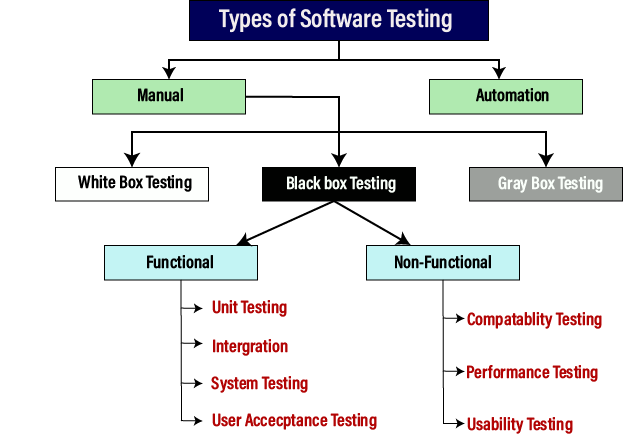
Some prefer saying Software testing definition as a White Box and Black Box Testing. In simple terms, Software Testing means the Verification of Application Under Test (AUT).
It is an evaluation of the software against requirements gathered from users and system specifications. Testing is conducted at the phase level in software development life cycle or at module level in program code. Software testing comprises Validation and Verification.
This Software Testing course introduces testing software to the audience and justifies the importance of software testing.
Testing Objectives:
Finding defects which may get created by the programmer while developing the software.
Gaining confidence in and providing information about the level of quality.
To prevent defects.
To make sure that the end result meets the business and user requirements.
The objective of the testing is finding as many software defects as possible
Ensure that the software under test is bug free before release
Discussion & Queries (<$I18NNumComments$>):
<$CommentPager$>
-
<$I18NAtCommentTimeWithPermalink$>, <$I18NCommentAuthorSaid$>
-
<$CommentPager$>
<$BlogCommentBody$>
<$BlogCommentDeleteIcon$>